WUJUD
/wuːˈdʒuːd/
noun [Arabic / Malay]
(to find, to experience, to exist).
In the context of the street, it is the act of "finding" one's selfhood in the very place where the world expects one to be lost.
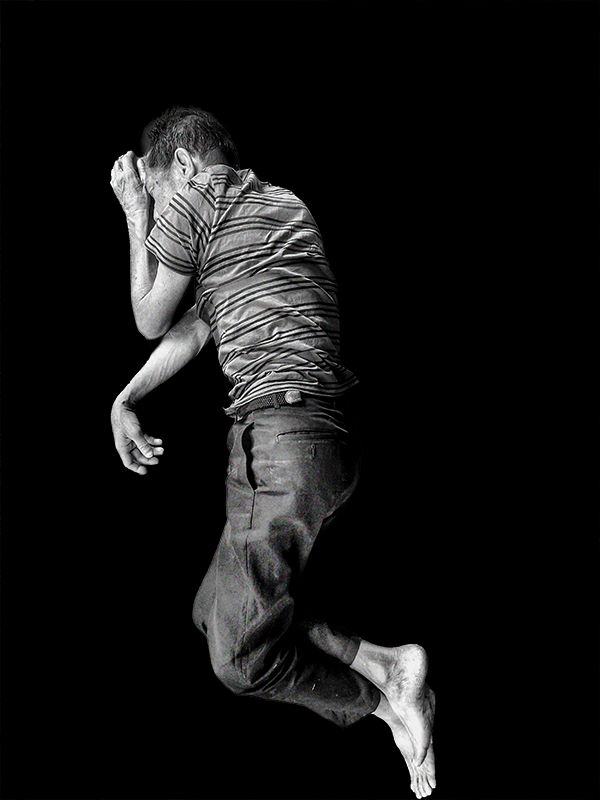
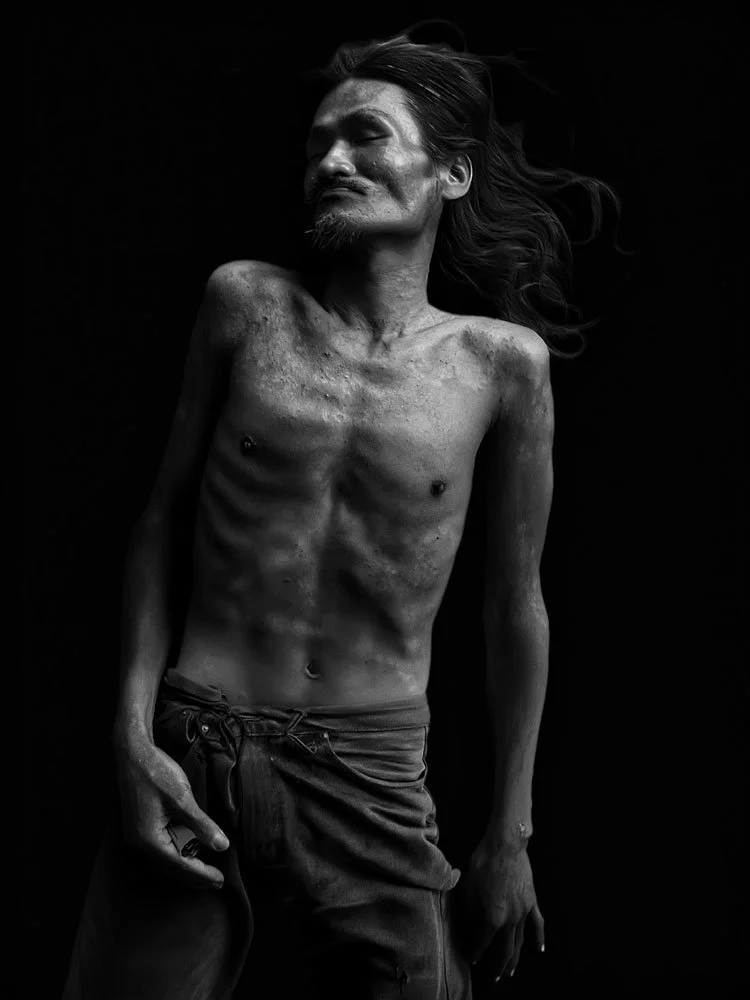
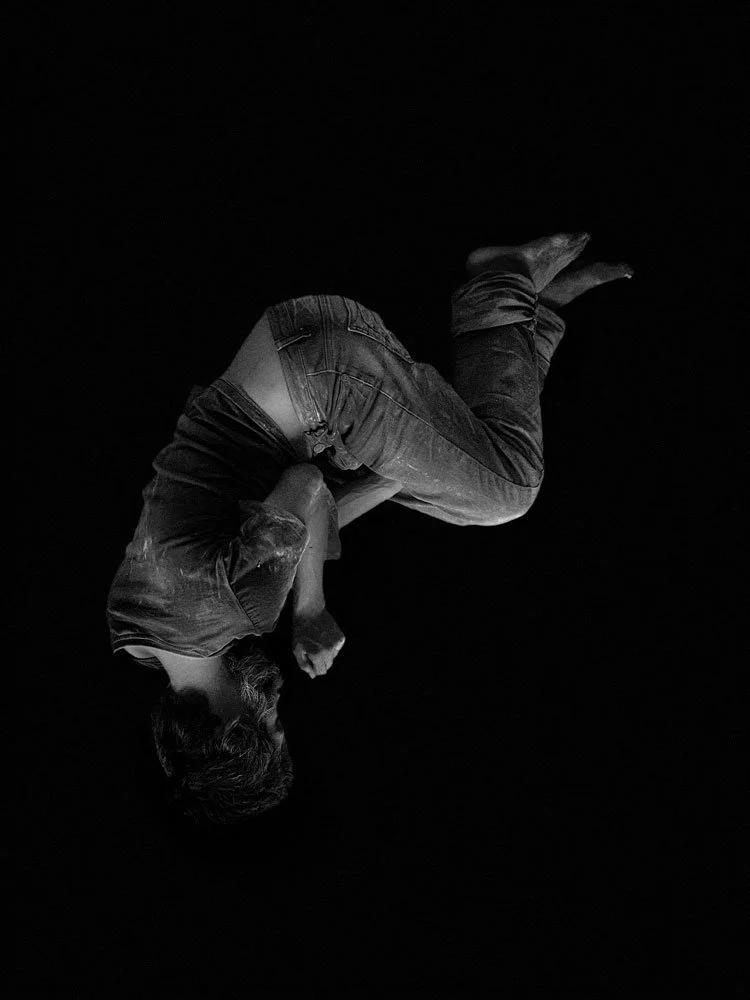
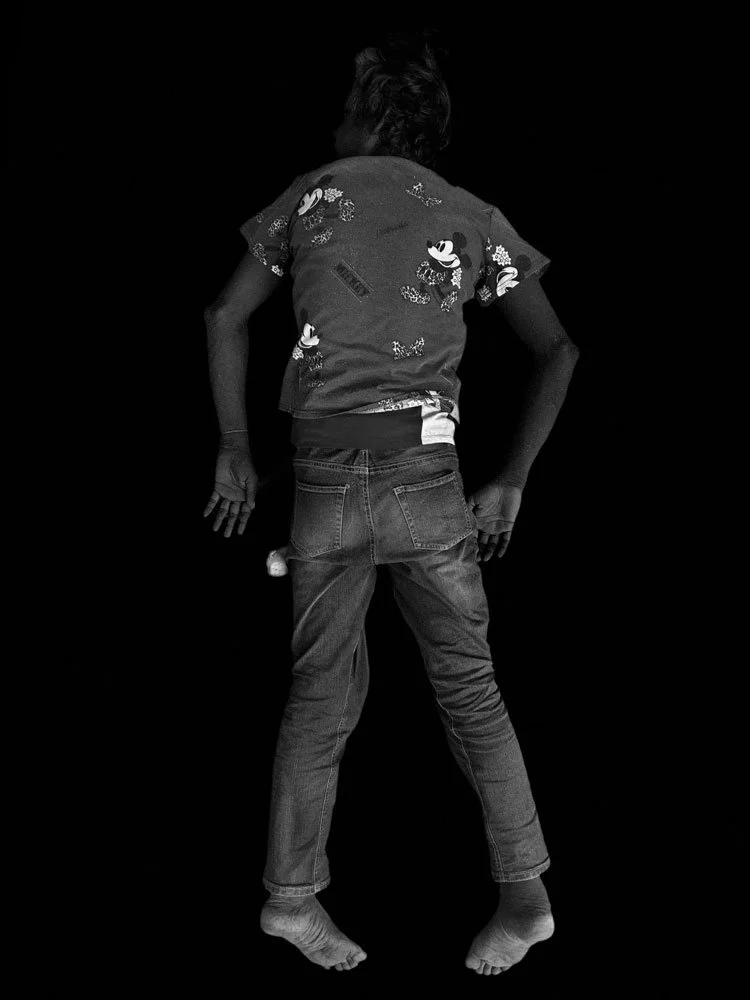
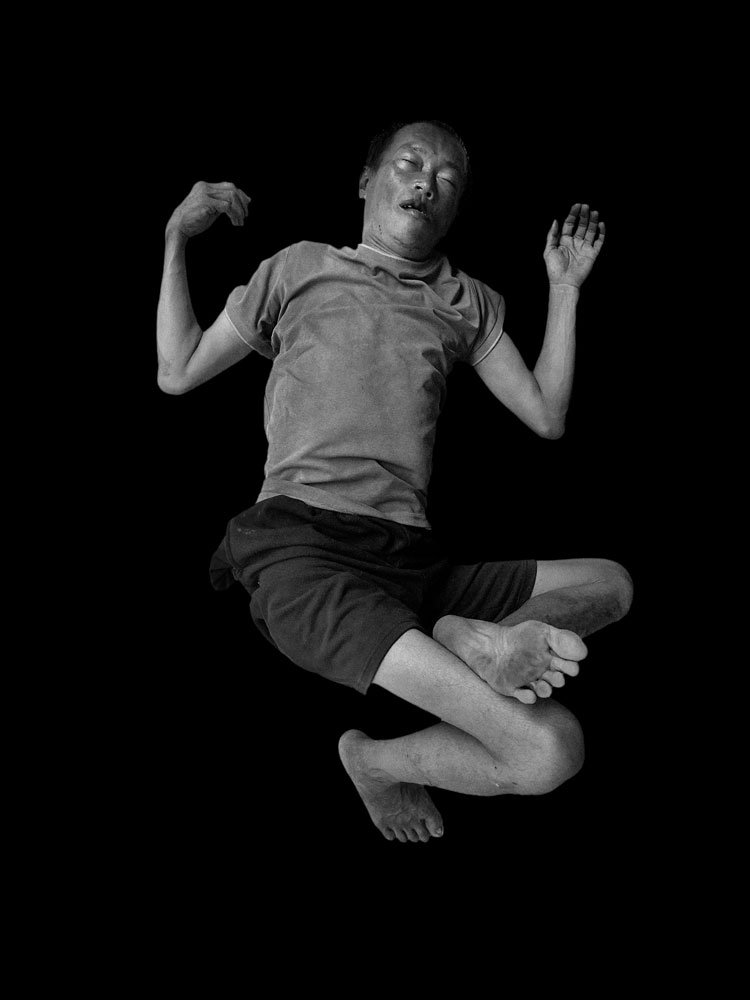
WUJUD is an inquiry into the threshold of being. In the frantic, metallic heart of Kuala Lumpur, I stumbled upon a parallel silence: individuals who have surrendered to the concrete, sleeping amidst the roar of a world they no longer care to inhabit. I once called them "Street Dreamers," but the reality is far more visceral. They represent an anomaly of existence—a state where the body is anchored to the pavement while the psyche remains unmoored, untouchable, and entirely elsewhere.
This unpublished work is not a study of poverty, but a documentation of a haunting detachment. I seeked the friction between their static forms and the city’s relentless motion. These figures are the living intervals of the urban landscape; they exist in the world, yet are profoundly not of it. To sleep in the open, oblivious to the gaze of the state or the passerby, is a radical act of withdrawal. In capturing these moments, I am interrogating the very nature of wujud (existence)—observing how one can carve a sanctuary of dreams out of a cage of concrete, becoming a ghost before the body has even left the street.