THE MARKED WALLS
LIVE ANIMALS INSIDE: PUDU JAIL’s GRAFFITI (2002)
In 2002, I spent six months as the only pulse within the hollowed-out prison of Kuala Lumpur, also known as the Pudu Jail. For half a year, I occupied the silence of that empty prison; not as a visitor, but as a witness to its final, exhaled breaths. I walked the corridors until the geometry of confinement became a part of my own psyche, navigating the friction between the land developer’s desire to demolish the building’s refusal…. to forget. In that stillness, I realised that the walls were not merely stone and lime; they were a living archive, saturated with the sweat and the desperation of those who had once been held within.
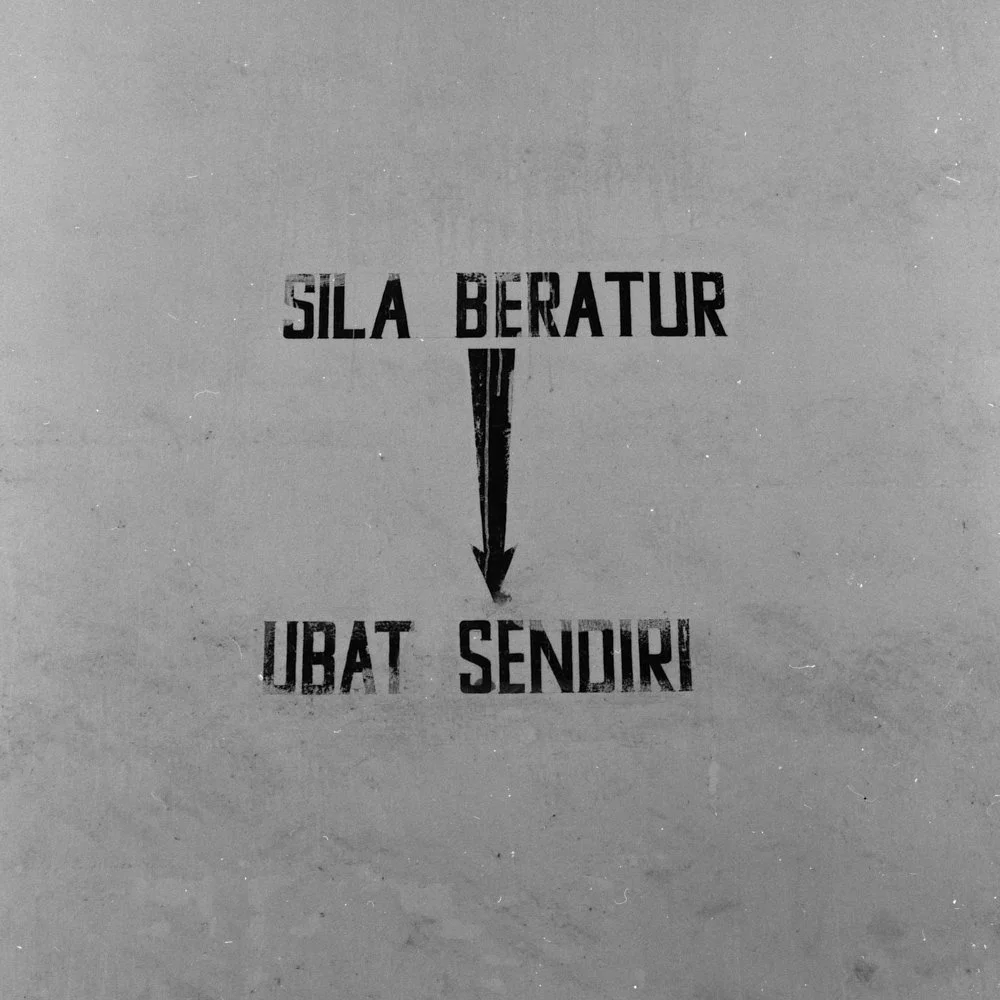
My ritual was one of slow, surgical exhumation. I arrived at nearly a thousand images, a vast and heavy archive of light and shadow culled from the debris of a century. Each frame was a search for the human marrow hidden beneath the dehumanising labels. I was drawn to a recurring, haunting directive: "Live Animals Inside." To the state, this was a warning, a categorisation of the "other" to be contained and controlled. To my lens, it became a provocation… a question asked of the darkness: Where does internal primal expressions end, and the soul begin?
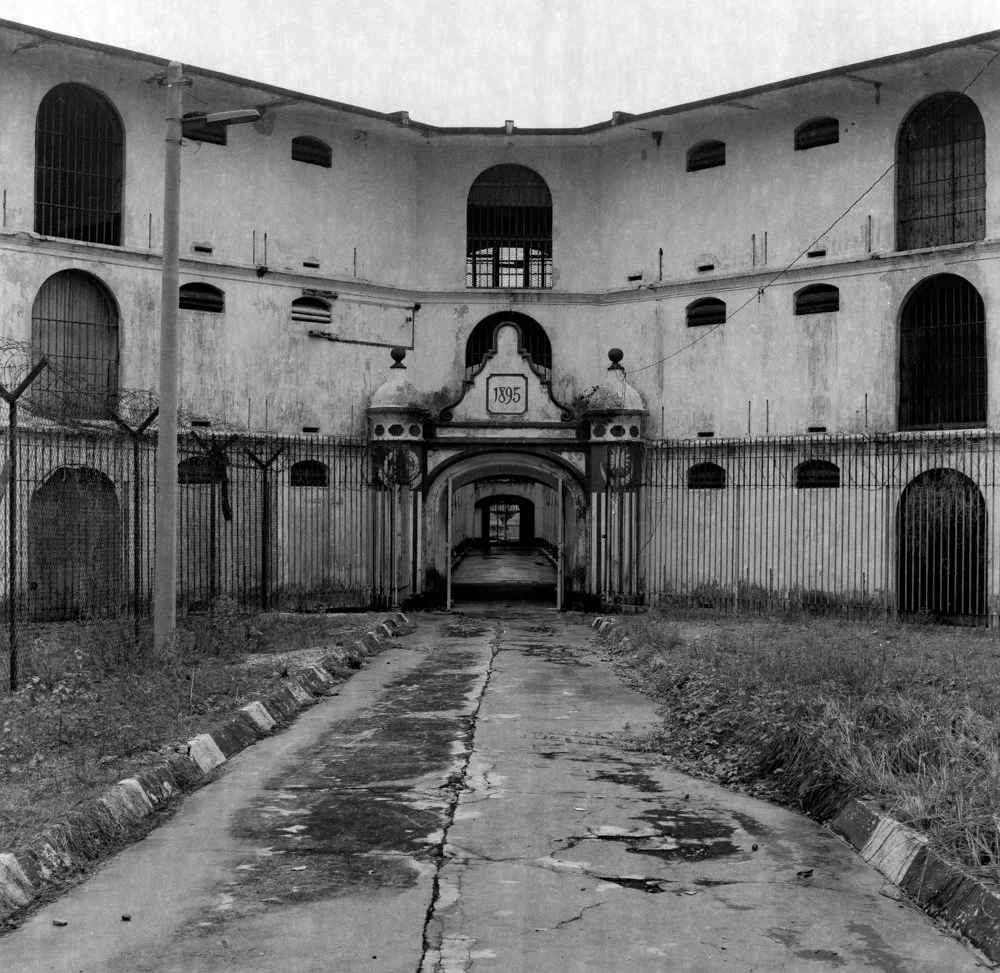
The graffiti I found was not a cry for attention; it was a testament of existence. These marks were the kinetic vibrations of men fighting to prove they were more than the labels assigned to them. For six months, I lived among these scratches and charcoal-smudged fingerprints, treating them with the same reverence I would a fragile glass plate from the 1800s. I was not just taking pictures; I was harvesting the ghosts of the lens, pulling the silenced back into a light they had been denied for decades.
This body of work is the distillation of that solitary vigil—the transition from the architecture of the cage to the survival of the spirit. A thousand images are reduced to this forensic inquiry into what remains when the walls are stripped bare. It is an act of reclamation, a silver-stained bridge that ensures the "Live Animals" of Pudu are no longer seen as statistics of a demolished ruin, but as voices that continue to vibrate in the grain of our shared memory.
The Confined Gaze
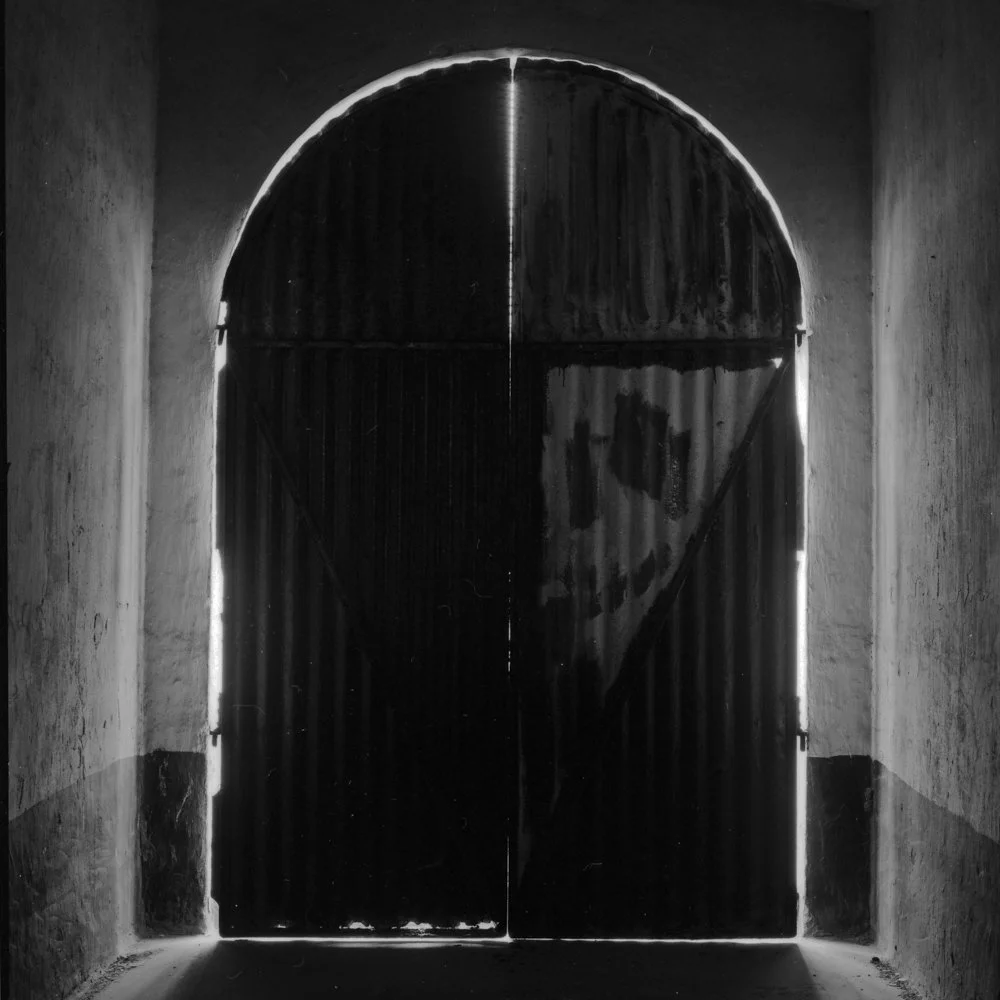
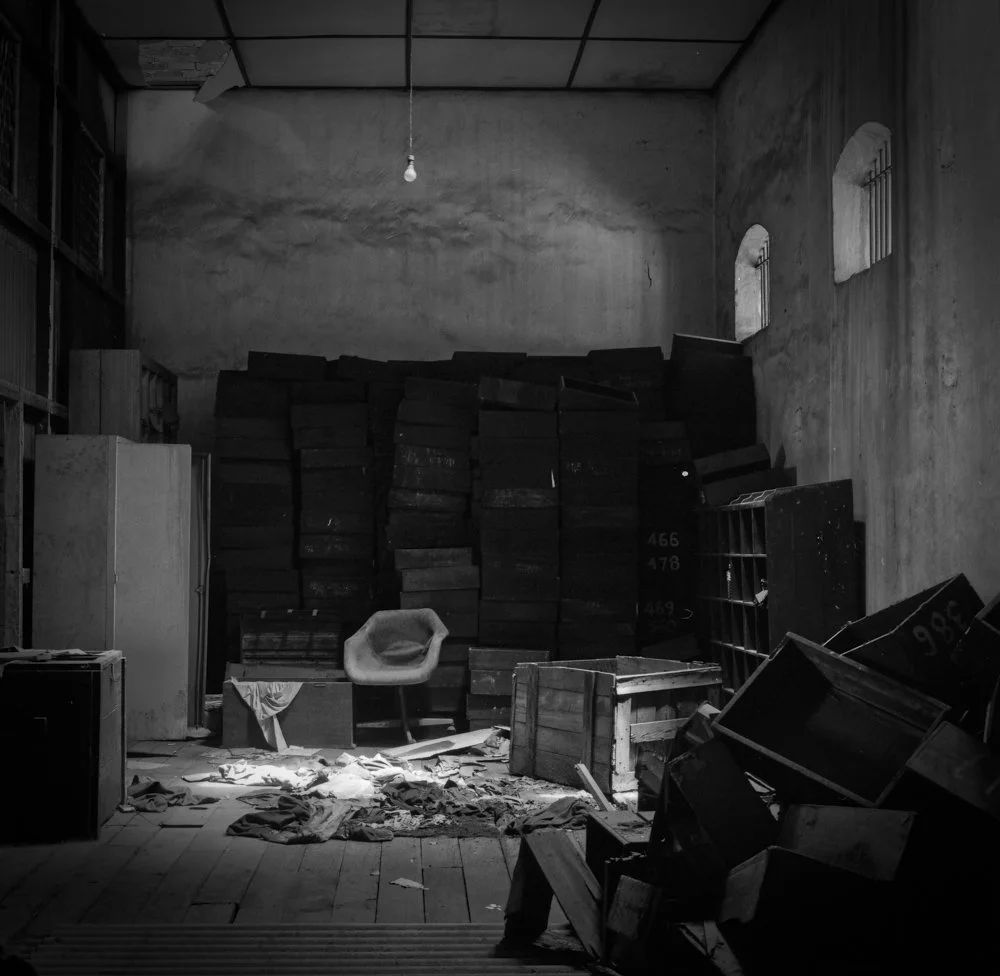
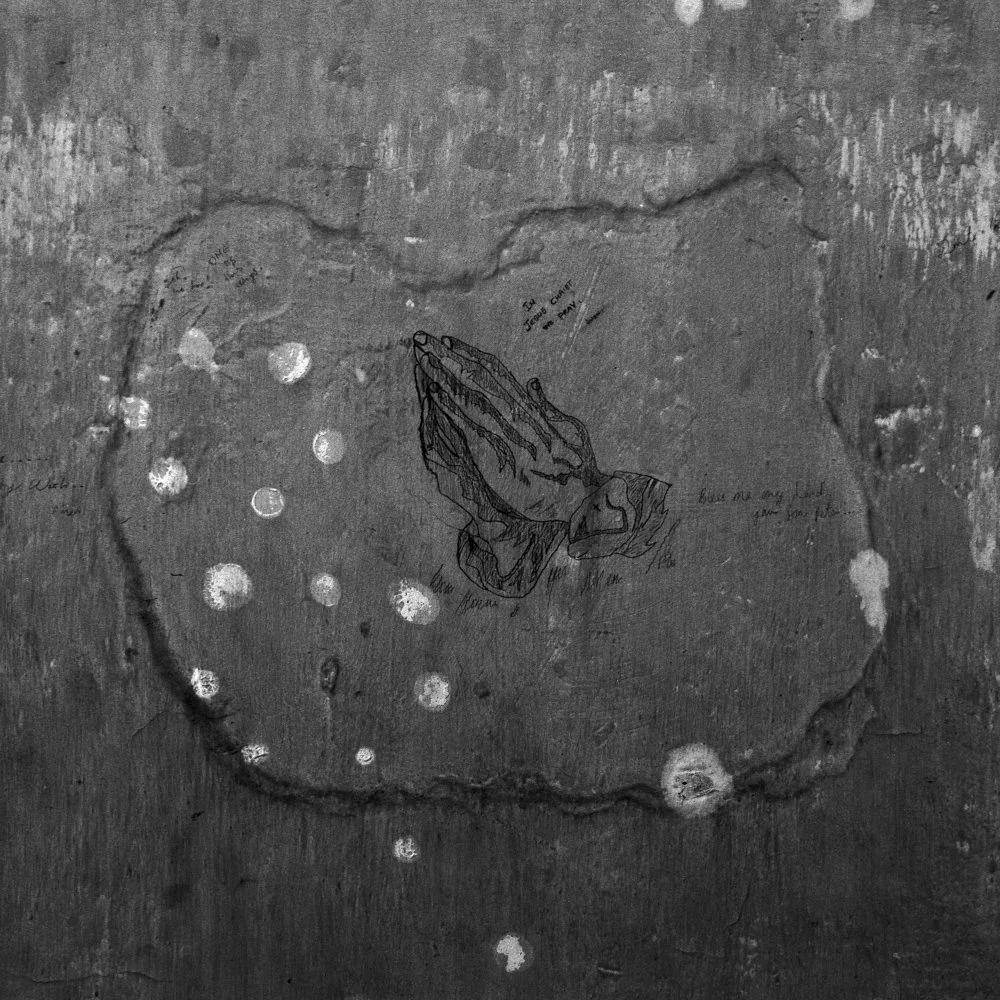
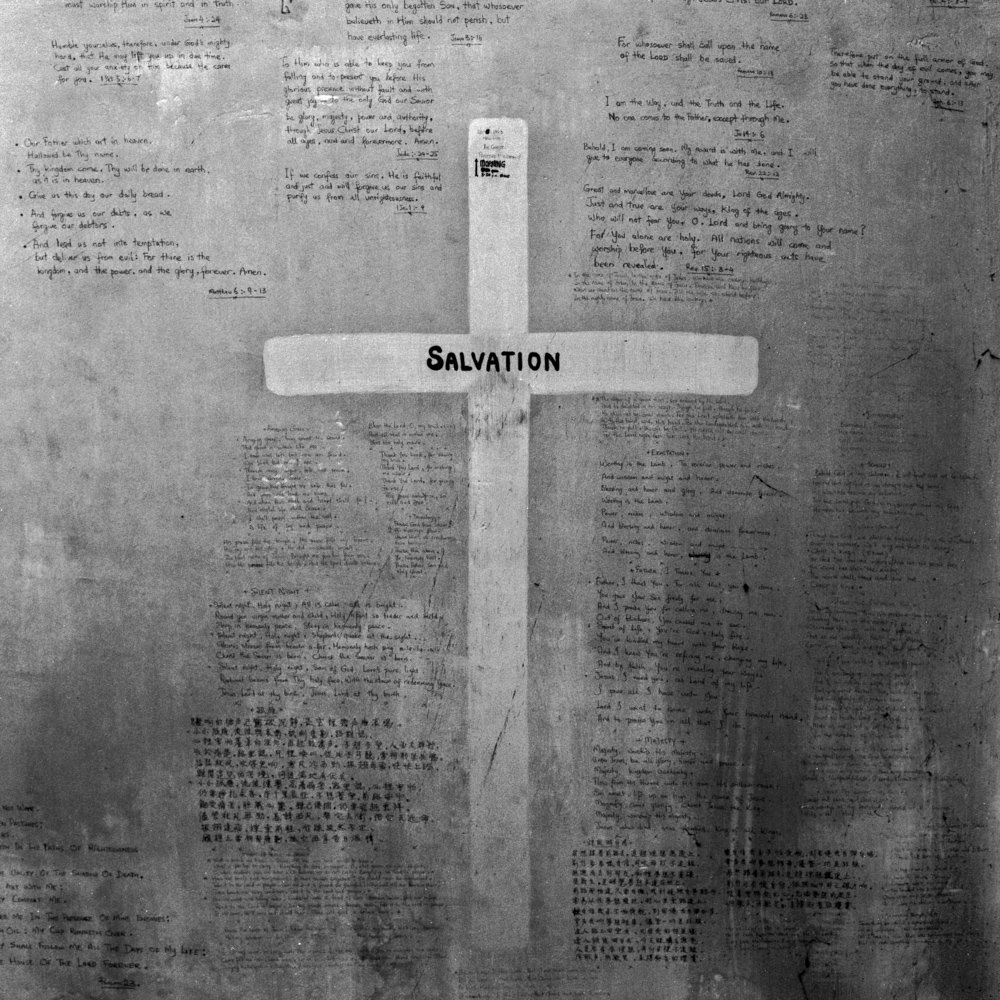
In these cells, light was never meant to illuminate; it was an instrument of isolation. I allowed the shadows to become heavy, predatory things that claim the corners of the frame, forcing the eye to confront the only thing that remains: the texture of the cage. This isn't about photography; it is about the interrogation of a surface. By leaning into the dark, I am seeking the relief map of a spirit under pressure—where every sliver of light becomes a desperate, narrow window into a psyche that was never meant to be seen.
The Weight of the Unseen
In these close-quarters, the boundary between myself as a viewer into this world and the prisoner’s cell begins to dissolve. It was no longer just looking at a wall; it was visually touching a record of existence. I am exhuming the presence of the body through the scars it left on the stone—a visceral encounter with the ghost that remains in the grain.

The Defiance of the Marks
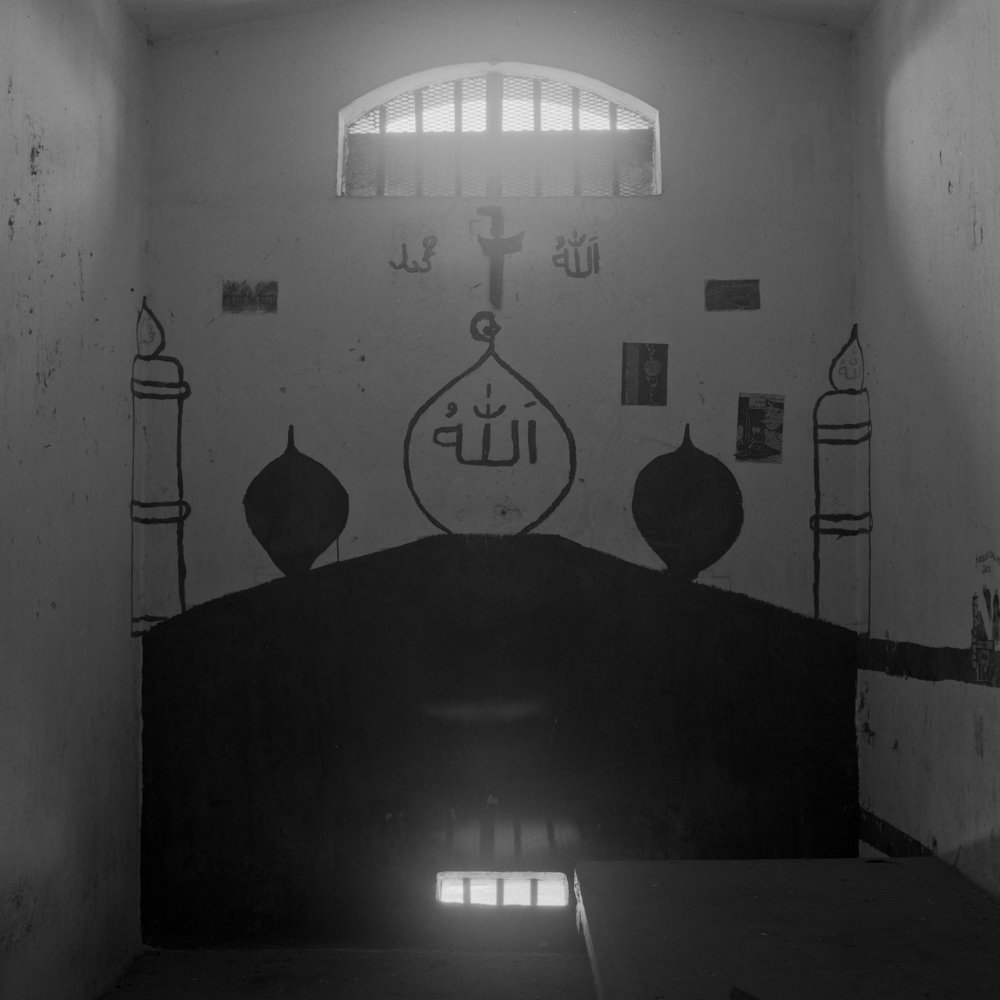
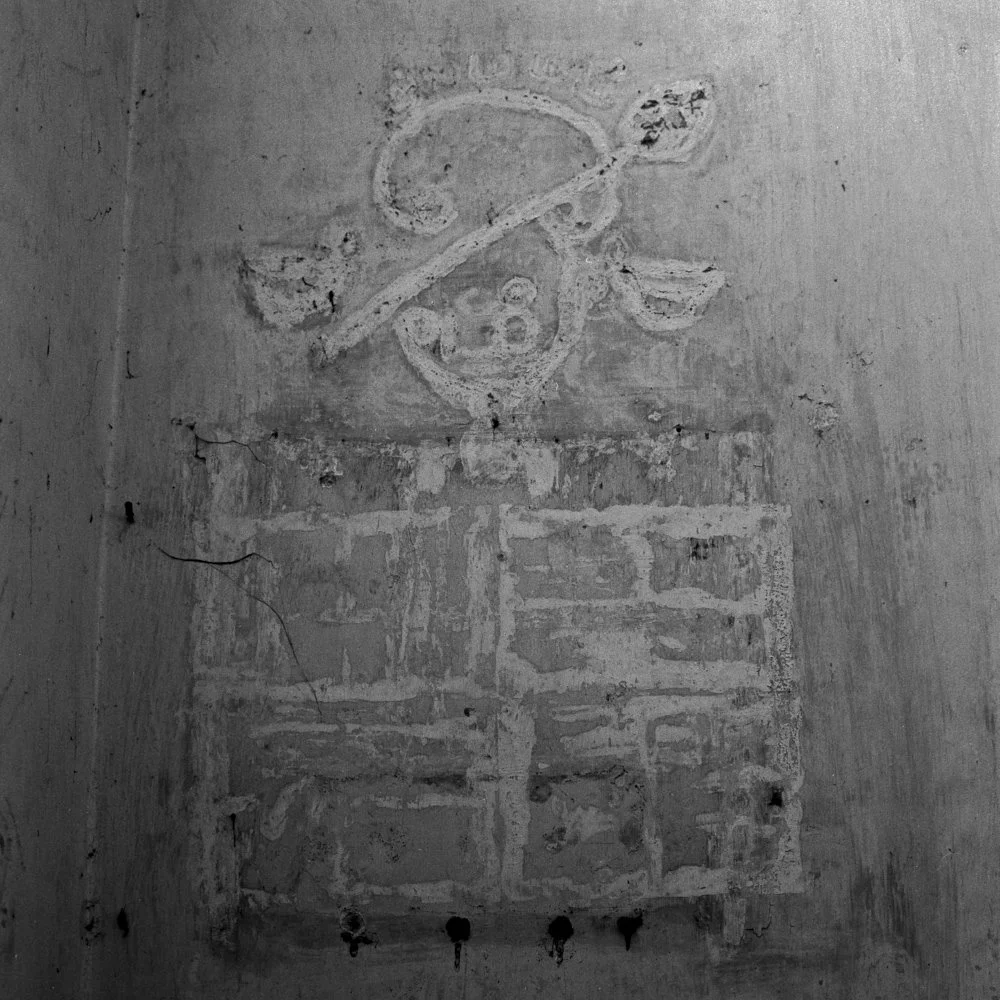
Every incision captured is a frozen vibration… a kinetic echo of a hand fighting against its own erasure. To scratch a name or a figure into a limestone wall is a ritual of survival; it is the proof of a pulse in a place designed to silence it. I saw these marks not merely as art, but as forensic evidence of a human scream. By emphasising the depth of these wall wounds, it was the kinetic energy yet in petrified state.
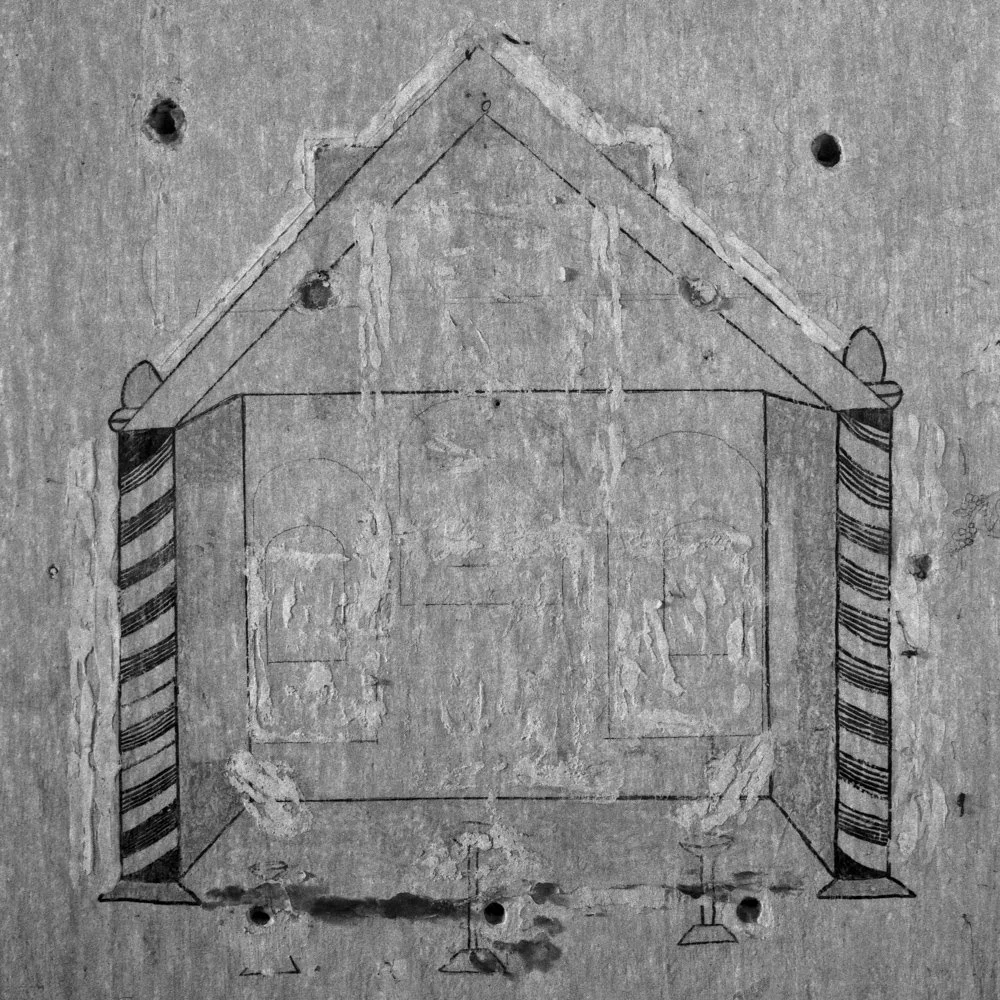
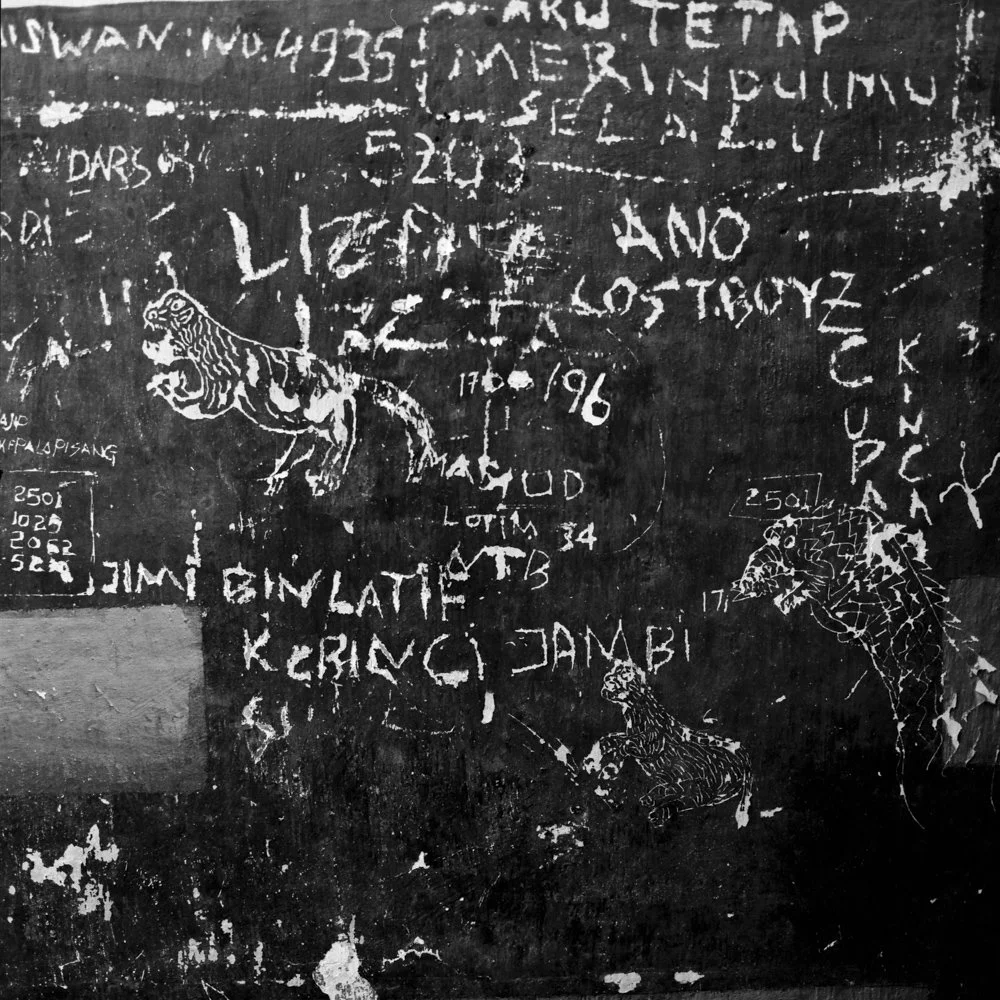
We are looking at the marrow of memory, ensuring that even though the stone has been crushed, the gaze of those who were once silenced survives as a permanent, it is still… a stained inquiry into what it means to be remembered.