LIVE ANIMALS INSIDE
FIXED
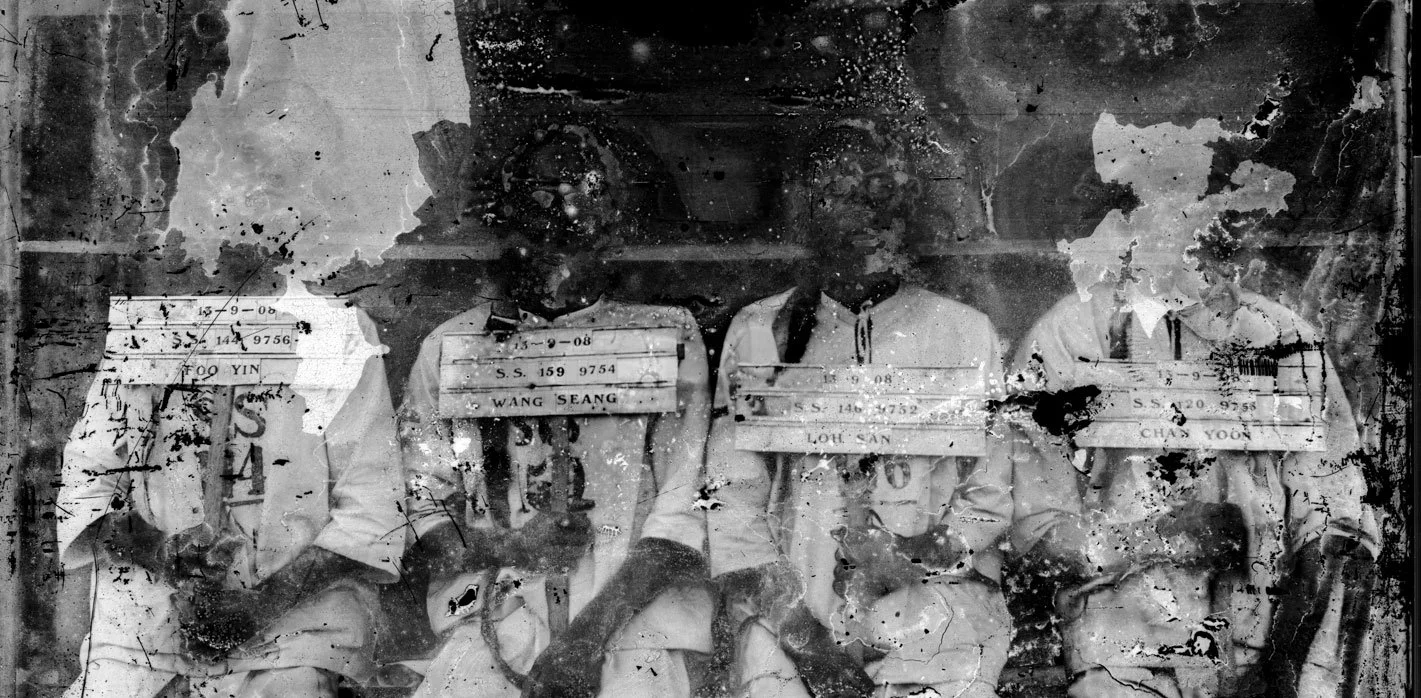
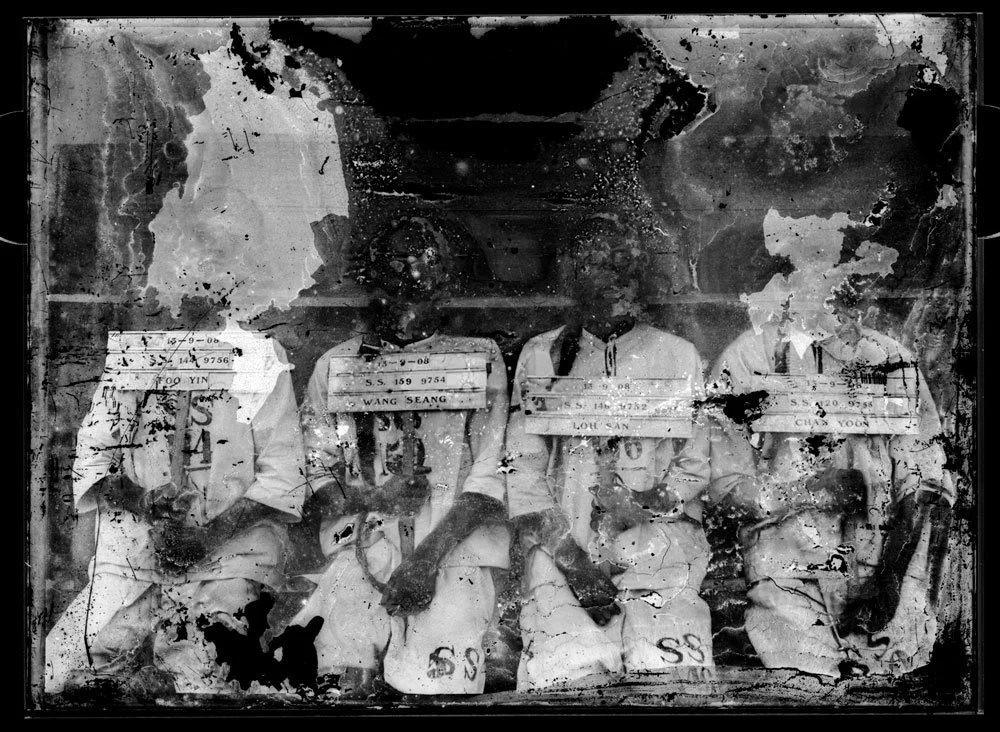
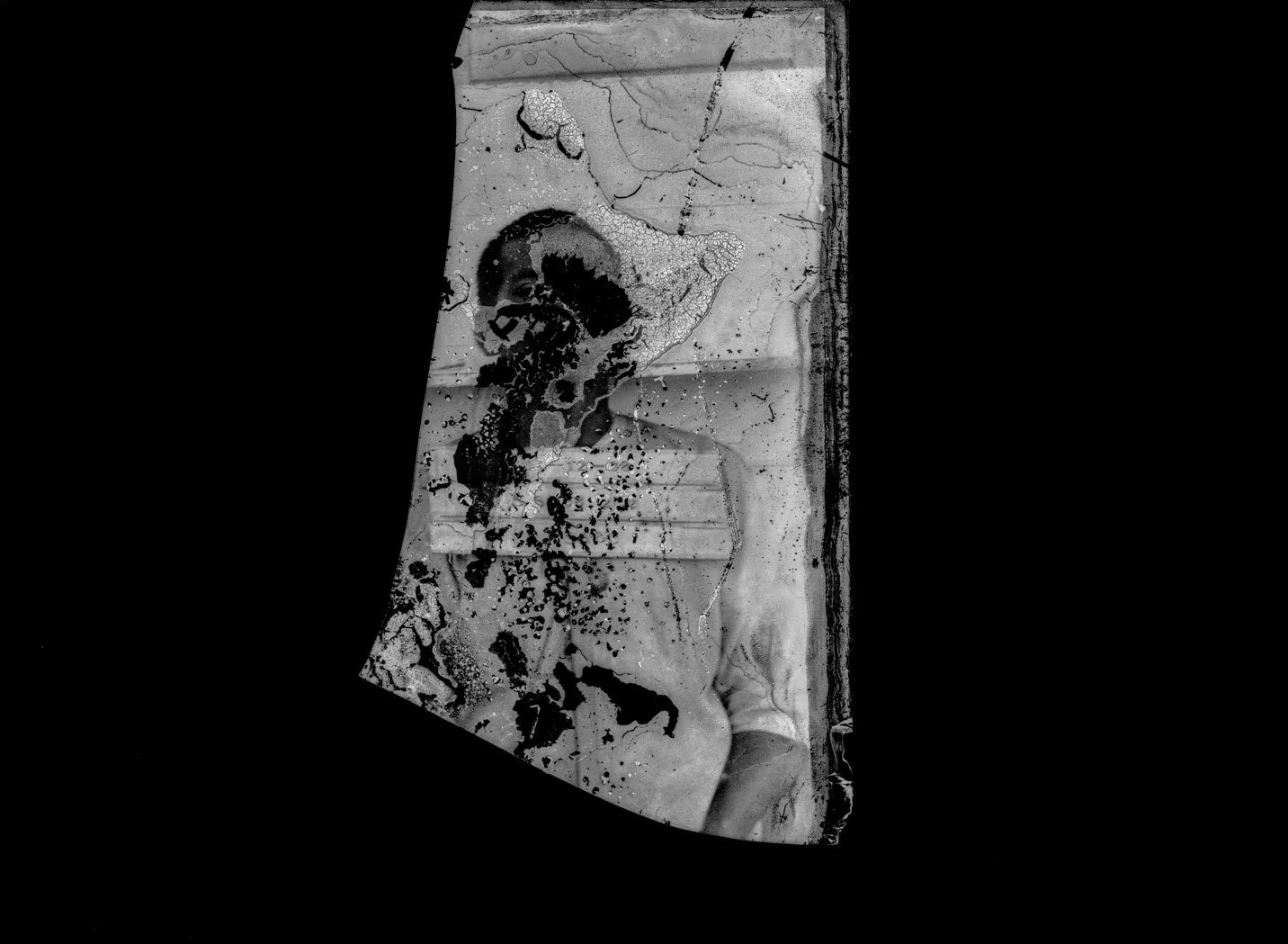
As a part of the ‘Live Animals Inside’ series, ‘FIXED’ examines the genesis of the archival mechanics of colonial prisons in early 20th-century Asia. Centred on a rare, excavated cache of century-old glass plate portraits of Malayan prison inmates, this collaborative project by K. Azril Ismail & Azrul K. Abdullah transcends regional history to address profound themes of institutional abandonment and viewers’ prejudice.
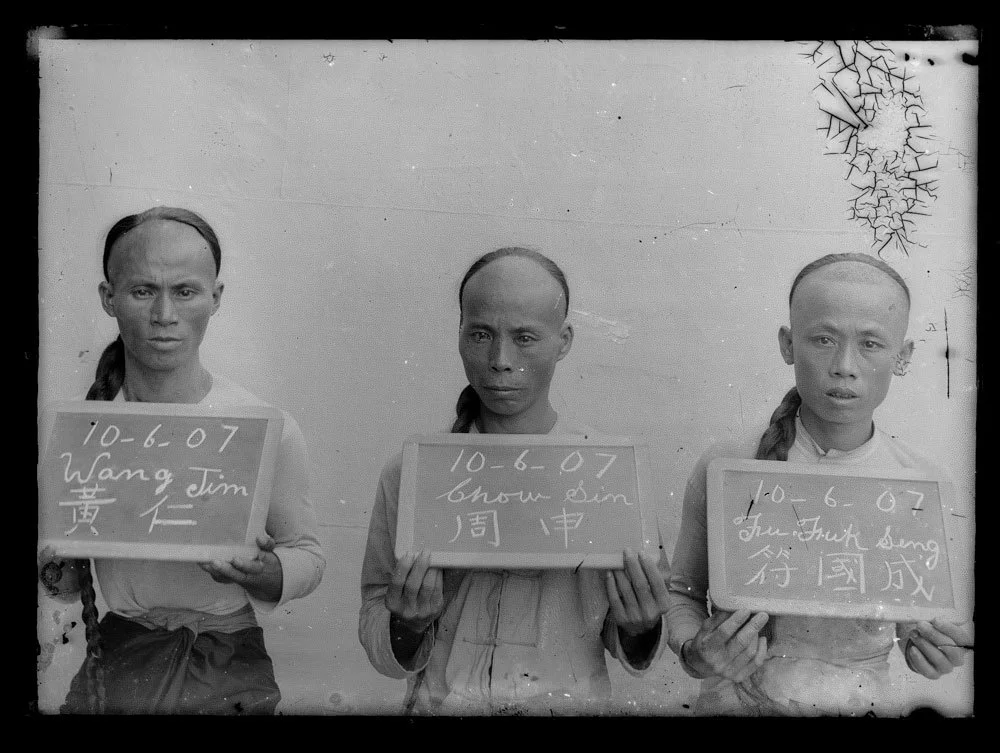
Originally captured as penal mugshots: a bureaucratic instrument designed to strip agency and categorise the “other”. These found artefacts represent a systematic erasure of identity. Through deliberate material intervention, we reclaim these discarded narratives. By translating the original glass plates through painstaking, historically accurate photographic processes, we had induced in using the collodion-chloride and silver bromide printing; the project forces a visceral confrontation with the physical artefact.
The resulting unique prints subvert the original intent of the colonial photographer. The inmates are no longer subjects of surveillance; they are elevated to subjects of reverence, demanding that contemporary viewers confront their own inherent biases. FIXED is not merely a presentation of historical reproductions; it is a contemporary visual excavation. It challenges how pan-Asian histories are archived, who controls the narrative, and how the abandoned are ultimately remembered.




Healing the Archival Wounds
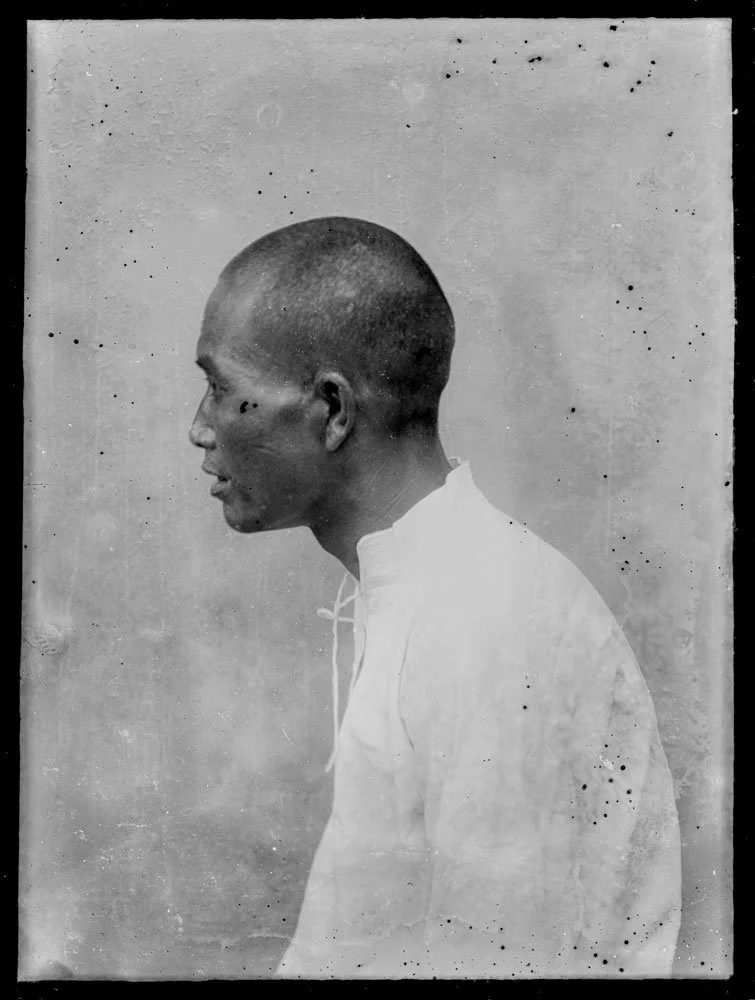
FIXED is an exhumation of the colonial archive, specifically a recovered diaspora of over 800 glass plate mugshots from the late 19th century. These images were never intended to be art; they were instruments of a "prison routine"—forensic data points captured under the influence of Bertillonage and Lavater’s physiognomy. In these plates, the face was treated as a grotesque map of criminal "temperament," a pseudoscientific bias etched in silver.
Since 2022, my collaboration with Azrul K. Abdullah has sought to dismantle this institutional stare. We treat these fragile, cracked plates not as mugshots, but as "immortals." By engaging with the material culture of these artefacts—the mirrors placed on shoulders to capture profiles, the hands held up to reveal scars—we are navigating the friction between the state's categorization and the subject's enduring dignity.